Discover the Timeless Appeal of Men's Fedora Hats
Men's fedora hats are widely considered to be a hallmark of class and distinction. Their classic design offers versatility, making them ideal for numerous settings. As style preferences continue to shift, the fedora remains a compelling presence across both classic and contemporary settings. Examining its timeless charm can reveal its significance in modern fashion. What qualities make the fedora a perennially stylish choice? The answer may surprise those who appreciate timeless fashion.
Finding the Ideal Fedora to Match Your Style
When picking out the perfect fedora, how does one determine which style most effectively enhances their wardrobe? The answer rests in understanding the balance between personal style and total wardrobe coordination. A fedora's form, fabric, and hue should work alongside current wardrobe selections. For instance, a timeless wool fedora might suit a well-fitted suit, while a straw style could enhance a relaxed summer outfit.
Taking face shape into account is equally important; a wider brim can soften angular features, as a narrower brim can draw attention to sharper features. Additionally, the nature of the occasion carries considerable weight. Formal events often call for darker, richer colors, while softer tones and prints tend to work better in casual environments. Ultimately, the perfect fedora transcends its role as an accessory and becomes a key component of any look, showcasing the individuality and character of the person wearing it.
Uncover Iconic Fedora Looks: From Vintage to Present-Day
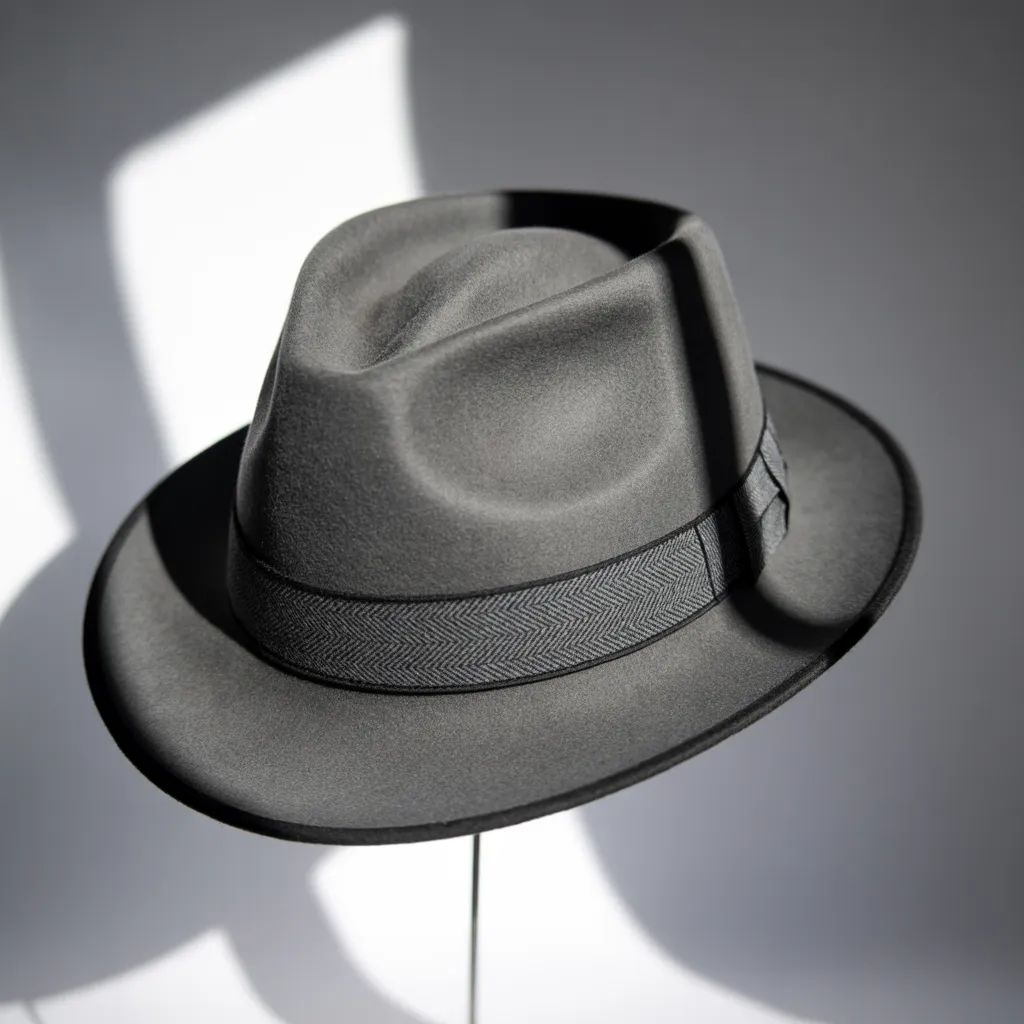
Fedora hats have historically been a symbol of style and sophistication, showcasing a diverse range of designs that appeal to a range of tastes and settings. The classic fedora, defined by its flexible brim and creased crown, exudes a lasting sophistication, frequently linked to legendary personalities of the mid-1900s. Its woolen fabric imparts a sense of sophistication, making it a staple for formal events.
On the other hand, modern designs have brought forth groundbreaking materials and designs, resonating with a present-day following. Straw fedoras, for example, deliver a featherlight option perfect for seasonal adventures, while bold colors and patterns allow for individual style. Additionally, elements including expansive brims and creative adornments have appeared, providing an avant-garde interpretation of the timeless style. No matter if one leans toward the classic or the contemporary, the fedora hat stands as a adaptable accessory that seamlessly elevates any wardrobe.
Wearing Your Fedora with Confidence: Essential Tips
What is the best way to upgrade your style with a fedora? The key lies in understanding how to harmonize this classic accessory with various outfits. A fedora works beautifully for both casual and formal occasions, making it an incredibly versatile option. To exude confidence, one should choose a fedora that complements their face shape and personal style. Pairing it with tailored clothing, such as a blazer or crisp button-up, can create a polished appearance, while denim and a simple tee can lend a relaxed vibe.
Accessories matter as well; a pocket square or elegant watch can finish the look. The manner in which the fedora is worn shapes its effect—tilting it slightly can add an air of sophistication. In the end, true confidence stems from wearing the hat boldly, ensuring that it becomes a statement piece that reflects individuality. Adopting the fedora can elevate not only an ensemble, but also the wearer's confidence.
Looking After Your Fedora Hat: Care and Storage Guidelines
Looking after a fedora hat is crucial to maintain its appearance and durability. Regular cleaning techniques, appropriate storage methods, and understanding of harmful factors are necessary for maintaining its condition. By applying these upkeep suggestions, hat owners can guarantee their fedoras continue looking their best for a long time to come.
Regular Cleaning Techniques
Keeping the flawless appearance of a fedora hat requires consistent cleaning practices that preserve its fabric and shape. First, a soft-bristle brush is essential for removing dirt and particles from the exterior of the hat. Soft circular movements can aid in protecting the textile's durability. For spots, a moist cloth with gentle soap should be applied, ensuring not to saturate the fabric. It is advisable to test any cleaning solution on a discreet, small spot first. Furthermore, occasional expert cleaning can assist in preserving the fedora's condition and lifespan. Routinely inspecting for loose threads or damaged areas will allow for timely repairs, ensuring the fedora remains a stylish accessory for a long time to come.
Essential Storage Guidelines
Appropriate storage methods are vital to keeping a men's fedora hat in excellent shape and condition. To maintain its integrity, it is crucial to store the hat in a cool, dry place, shielded from direct sunlight that may lead to discoloration and distortion. Employing a hat box or designated shelf can eliminate excess pressure on the brim and crown. For storage purposes, positioning the hat upside down on a flat surface preserves its shape. Refrain from hanging the fedora, since doing so may compromise its structure. Routinely examining for dust and delicately brushing it away with a soft brush will contribute to its long-term preservation. Implementing these habits will keep the fedora in pristine, fashionable condition for many years to come.
Preventing Damage Factors
A properly maintained fedora hat can last for years, but a number of elements can lead to deterioration if not handled properly. Contact with moisture and harsh temperatures can alter the hat's structure and weaken the material. Direct sunlight may cause fading, while careless handling may result in unwanted creases or dents. Furthermore, contact with dust and dirt can compromise the fabric's integrity, making routine cleaning essential. To reduce these potential issues, it is crucial to store the fedora in a cool, dry place, shielded from direct sunlight. Routinely wiping the hat with a soft cloth and keeping it in a proper hatbox can considerably increase its durability. By following these preventive measures, owners can preserve the quality and appearance of their beloved fedora.
The Enduring History of Fedora Hats
The fedora hat, a symbol of timeless elegance and sophistication, boasts a rich history that dates back to the late 19th century. Making its debut in 1889, it achieved widespread recognition through its portrayal in the play "Fédora" from playwright Victorien Sardou, which showcased a stylish female protagonist donning the hat. Initially a women's accessory, the fedora shifted to men's fashion by the early 20th century, becoming synonymous detailed information with dapper gentlemen and the urban elite.
Throughout the 1920s and 1930s, the fedora became a fixture in men's fashion, often linked to gangsters, detectives, and Hollywood icons. Its construction, featuring a soft brim and a creased crown, offered both elegance and function. Over the years, the fedora has seen various reinterpretations, yet its classic appeal remains undiminished. This enduring history solidifies the fedora's reputation as a classic wardrobe essential, rising above passing fashions and shifting cultural landscapes.
How Fedora Hats Are Coming Back in Style Today
Lately, an evident revival in the popularity of fedora hats has captivated fashion enthusiasts and influencers alike. This iconic accessory, formerly associated with classic mid-century style, is experiencing a resurgence within contemporary style. Leading designers are embracing fedoras within their seasonal collections, presenting them across a wide range of materials and hues, rendering them suitable for both everyday and formal settings.
Social media platforms, particularly Instagram and TikTok, have had a major impact in this revival. Social media personalities are commonly spotted combining fedoras with contemporary styles, demonstrating their adaptability and timeless charm. Well-known figures have likewise welcomed this fashion, further solidifying the fedora's status as a fashionable statement piece.
Because of this, men are increasingly opting for fedoras to showcase their personal style, merging timeless style with modern fashion sensibilities. This growing enthusiasm highlights the hat's lasting allure, proving that the fedora remains a staple accessory in the ever-evolving landscape of men's fashion.
Common Questions and Answers
Is It Okay for Women to Wear Men's Fedora Hats?
Yes, women can wear men's fedora hats. Fashion transcends gender boundaries, allowing individuals to express their style. Many women appreciate the classic look and versatility of men's fedoras, blending them seamlessly into their individual looks.
Which Materials Work Best for Fedora Hats?
Fedoras are traditionally constructed from wool, felt, straw, or cashmere. Wool and felt deliver both warmth and durability, while straw provides excellent breathability. Cashmere brings a touch of opulence, attracting those who value both sophistication and comfort in their choice of headwear.
How Should I Measure My Head for a Fedora?
To determine head size for a fedora, utilize a soft measuring tape around the forehead, above the ears, and directly above the occipital bone at the rear. Write down the measurement in inches or centimeters to determine your size.
Are Fedora Hats Appropriate for Formal Occasions?
Fedora hats are indeed suitable for formal occasions, adding an elegant accent to any outfit. Their stylish design complements various outfits, making them an ideal option for occasions spanning from weddings to prestigious events.
What Is the Difference Between a Fedora and a Trilby?
The key differentiator between a fedora and a trilby can be found in their brims; fedoras feature a broader, more supple brim, while trilbys have a more compact, pitched brim, providing them with a more fashionable, up-to-date aesthetic.